

Why Customers Don’t Call After Visiting Your Website
Many Gig Harbor business owners notice something confusing. People visit their website. Traffic appears in analytics. Pages are viewed. Yet the phone never rings. This leads to a common question: why customers don’t call after visiting a website, even when the service itself is strong.
They Are Not Dictating the Visitor
Many websites allow visitors to interpret the information on their own. This approach may appear polite or flexible, yet it often creates confusion.
The idea is to make sure that you dictate how people think once they get on your website. The human mind is vast. When people think, they think about many possibilities at once, and that quickly creates decision paralysis. Once decision paralysis appears, people stop making decisions. The potential client leaves the site without contacting the business.
A well-structured website prevents this situation. It guides the visitor step by step. It introduces the problem clearly. It explains the solution. It shows the next action.
This structure removes uncertainty and keeps the visitor focused. When a website dictates the flow of thinking, visitors feel confident because the path forward becomes obvious.

The First Few Seconds Decide Everything
When someone lands on a Gig Harbor business website, their brain begins evaluating signals immediately. Visitors rarely read every line of text. They scan the page quickly looking for confirmation that they are in the right place.
Within seconds, most visitors ask three silent questions:
• What does this business actually do?
• Does this feel relevant to my problem?
• Can I move forward easily?
If these answers are not immediately clear, hesitation appears. Hesitation online almost always leads to exit. In local markets like Gig Harbor, visitors often compare two or three websites before deciding who to contact. The website that creates clarity first usually receives the call.
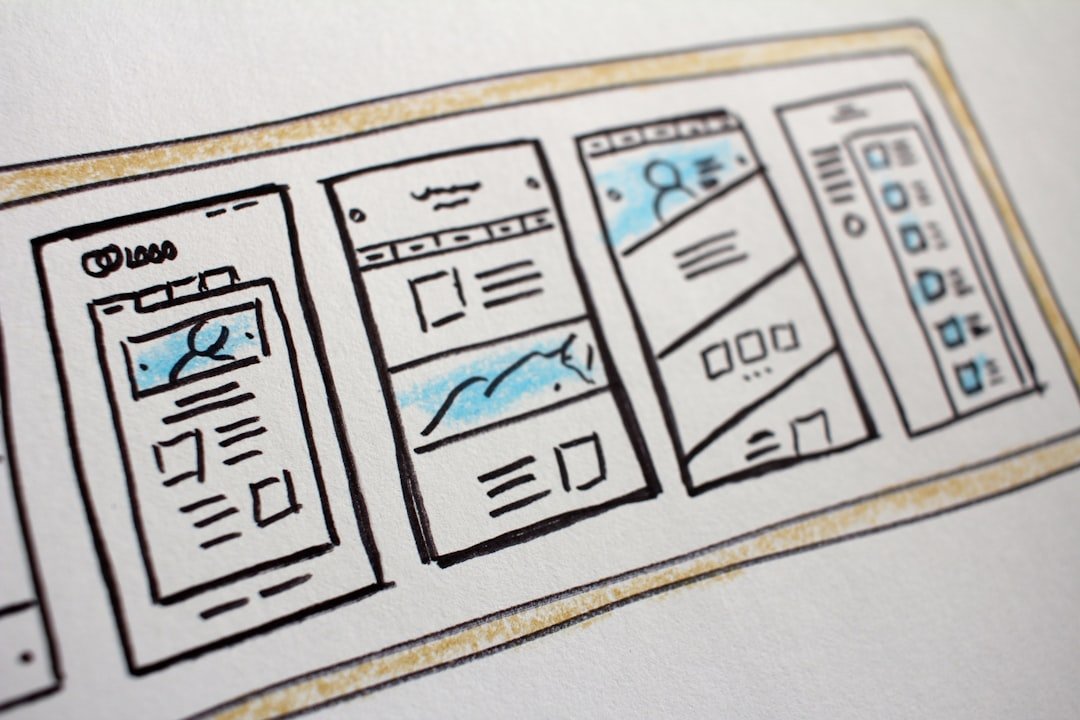
Many Gig Harbor Business Websites Create Unnecessary Confusion
A common problem with small business websites is that they focus too heavily on describing the business instead of addressing the visitor’s problem.
Many websites include:
• long descriptions about the company
• lists of services
• general statements about quality
These elements may appear professional, yet they do not help visitors make a decision.
Visitors are not searching for business history. They are searching for a solution. They want to know if the business can solve their problem. When a website fails to communicate that quickly, attention disappears.
This confusion is one of the main reasons why customers don’t call after visiting a website.

Vague Messaging Weakens Confidence
Another issue appears in the language many websites use. Broad phrases often replace clear explanations.
Examples include:
• innovative solutions
• professional services
• customer satisfaction
• quality approach
These phrases sound positive but they do not clearly explain what the business actually does. Visitors must interpret the meaning themselves.
When visitors must interpret a message, the brain works harder. Online users prefer clarity and simplicity. A message that explains outcomes quickly builds confidence.
For example:
“We help Gig Harbor homeowners maintain and repair their homes without delays.”
This type of statement immediately communicates value. The visitor understands the problem and the solution.
Clarity reduces effort and encourages people to keep reading.
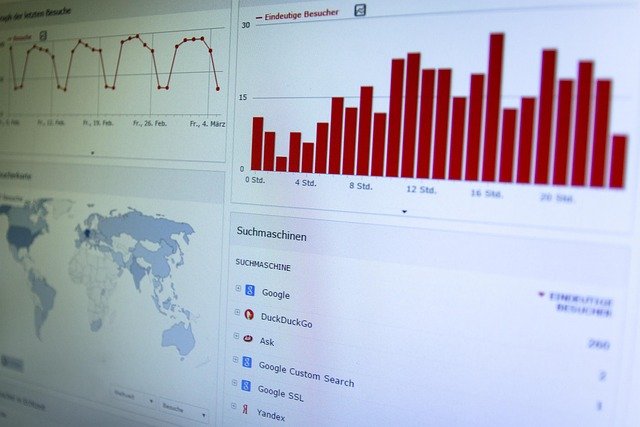
Visitors Are Comparing You to Other Gig Harbor Businesses
Local search behavior follows a predictable pattern. Someone searching for a service in Gig Harbor usually opens multiple websites at the same time.
The visitor moves between these sites quickly, looking for signals that indicate which business feels most reliable.
These signals often include:
• clarity of service
• local understanding
• credibility indicators
• ease of contacting the business
The website that communicates these signals clearly gains attention. The others may appear acceptable but they fail to create enough confidence to trigger action.
The visitor rarely announces this decision. They simply close the tab and move on.
Lack of Local Relevance Weakens Connection
Local communities like Gig Harbor operate differently from large anonymous markets. Reputation spreads through referrals, community discussions, and personal recommendations.
Many visitors arrive on a website after hearing about the business from someone they trust. They visit the site to confirm whether the business appears professional and credible.
If the website feels clear and grounded in the local community, confidence increases.
If the website feels generic or disconnected from the area, the trust created by the referral begins to weaken.
A Gig Harbor business website should reflect familiarity with the local audience and environment. Small signals of local understanding help visitors feel that the business truly belongs in the community.
Clear Outcomes Encourage Visitors to Act
Another reason customers hesitate to call is that many websites describe services instead of results.
Visitors care less about how the service works and more about what they will gain.
They want to understand:
• What problem will be solved
• What result they can expect
• What improvement will happen after hiring the business
A website that communicates outcomes clearly allows visitors to visualize the benefit. This clarity strengthens confidence and reduces hesitation.
Contact Should Always Be Simple
Contact information should be immediately visible and easy to access. Visitors should not search through multiple pages to find a phone number or location.
When contact details are easy to find, the website communicates transparency and readiness to communicate.
Local customers often prefer quick interaction. If contacting the business feels complicated, they will usually move to the next option.

The Real Goal of a Business Website
A successful website does more than present information. It guides a visitor toward a decision.
Visitors arrive with a problem and limited time. The website should remove confusion, dictate the thinking process, and provide a clear next step.
When clarity, direction, and relevance appear immediately, hesitation disappears. Visitors feel confident contacting the business because their questions were answered quickly.
This is the difference between a website that receives traffic and a website that generates real calls from Gig Harbor customers.
Takeaway –
Many Gig Harbor business owners see people visiting their website but still do not receive calls. The main reason is that visitors become confused within the first few seconds. When someone lands on a website, they quickly try to understand what the business does, whether it can solve their problem, and how they can move forward. If the website does not guide them clearly, they leave and check another business.
A common mistake is that many websites allow visitors to figure things out on their own. When information is unclear or scattered, people start thinking about too many possibilities. This creates decision paralysis, and instead of contacting the business, they simply leave the website. A good website should guide the visitor step by step by clearly explaining the problem, the solution, and the next action.
Another issue is that many websites focus on describing the business instead of solving the visitor’s problem. They include long company descriptions, lists of services, and vague phrases like “quality solutions” or “professional services.” These phrases sound nice but do not clearly explain how the business helps the customer. Visitors prefer simple and clear messages that quickly show what result they will get.
People searching for services in Gig Harbor also compare multiple businesses at the same time. They look for websites that clearly explain the service, show credibility, and make it easy to contact the business. If a website feels confusing, generic, or difficult to navigate, visitors quickly move to another option.
Local relevance also matters. Many visitors come to a website after hearing about a business from a friend or neighbor. They visit the site to confirm whether the business looks trustworthy and familiar with the local community. When the website reflects local understanding and clearly explains what the business offers, visitors feel more confident.
A successful website focuses on clarity. It clearly shows what problem the business solves, what result the customer will get, and how to contact the business easily. When these elements are clear, visitors feel confident and are more likely to call. This is the difference between a website that only receives traffic and a website that actually generates calls from Gig Harbor customers.