
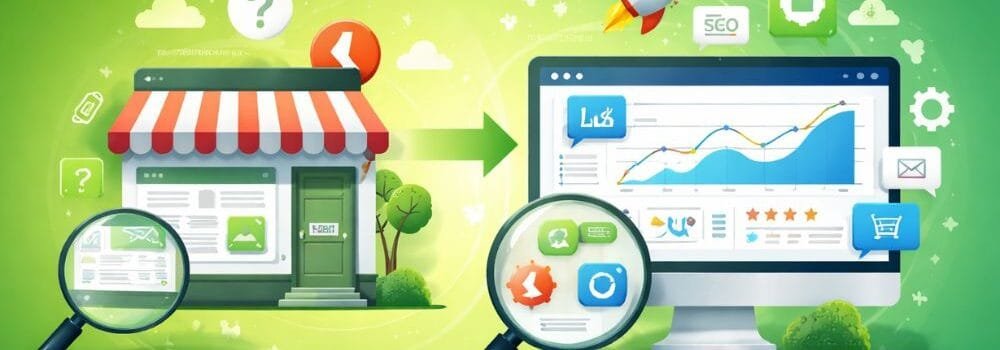
The Gap That Quietly Decides Who Wins
Most small business websites look complete on the surface. They have pages, services, contact forms, and sometimes even SEO in place. Despite all of this, they fail to generate consistent results.
Larger companies operate differently. Their websites are not just online presence tools. They are systems built to scale, optimize, and convert continuously.
This is where the real gap exists. Small businesses are competing without using the same systems that larger companies rely on every day.
Come to the Point: Small Business Websites Lack Systems, Not Effort
The biggest difference is not budget. It is structure. Larger companies build websites that act like systems, while most small businesses build websites that act like brochures.
A system attracts, guides, analyzes, and improves. A brochure only displays information.
This is why small businesses struggle even with traffic. The website is not designed to turn attention into action.
Larger Companies Do Not Guess, They Track Everything
Large companies rely heavily on data. They track every click, every scroll, every hesitation point. This allows them to understand exactly how users behave.
Most small businesses rely on basic analytics or none at all. They see traffic numbers but do not understand what visitors are doing.
This creates a major disadvantage. Without insight, decisions are based on assumptions instead of real behavior.
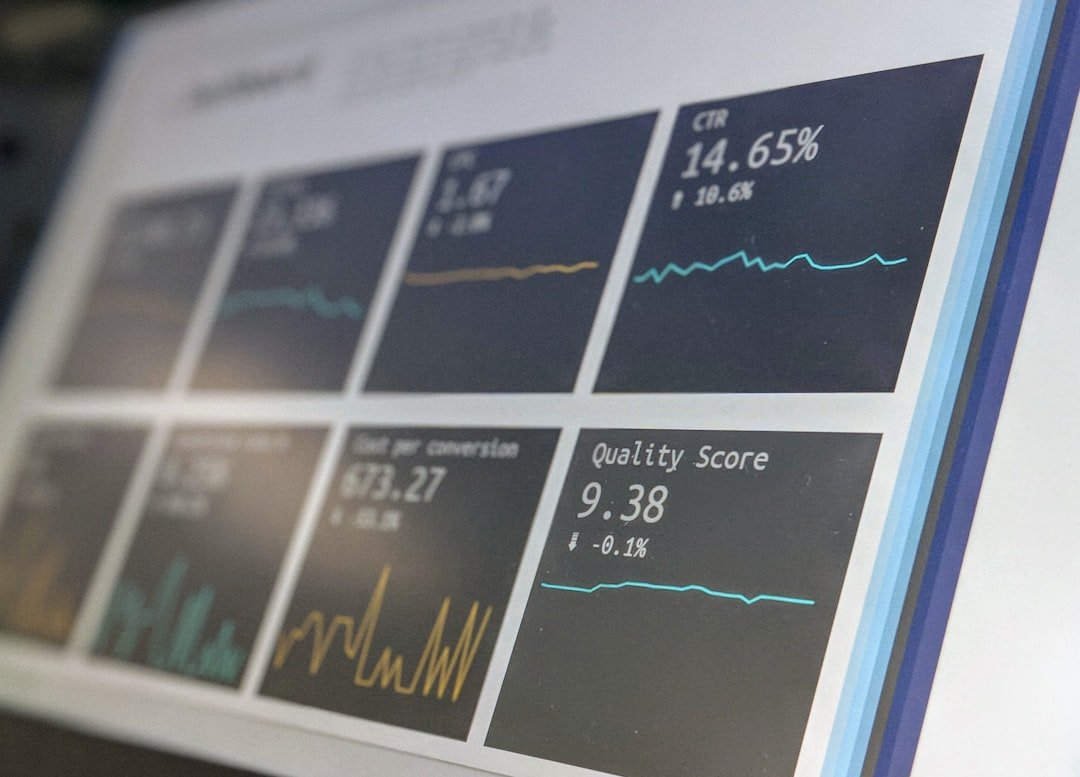
Private-Level Insight Is the Real Advantage
Larger companies use advanced tracking systems that provide real-time visibility. They know where users drop off, what content performs, and what needs improvement.
This level of insight allows continuous optimization. Every small improvement compounds into better performance over time.
Small business websites often operate without this visibility. This keeps them stuck in a cycle of guessing and slow growth.
Small Businesses Do Not Control Visitor Thinking
Most websites present information and expect visitors to figure things out. This creates confusion and slows down decision-making.
Larger companies design their websites to control attention. They guide users step by step through a clear journey.
This removes unnecessary thinking. When visitors know exactly what to do next, conversions increase naturally.
Decision Simplicity Is a Hidden Growth Lever
The human brain avoids complexity. When too many choices or unclear paths exist, hesitation begins immediately.
Large companies simplify everything. They reduce options, highlight key actions, and remove distractions.
Most small business websites do the opposite. They add more content, more options, and more complexity, which reduces conversions.
When You Talk to Everybody, You Connect With No One
Larger companies understand segmentation deeply. They create specific experiences for different audiences.
Small businesses often try to appeal to everyone at once. This results in generic messaging that does not connect with anyone strongly.
Clear audience segmentation creates clarity. When visitors feel understood, they move forward with confidence.

Larger Companies Build Frictionless Journeys
Every step on a large company website is intentional. The flow from landing to conversion is designed carefully.
Small business websites often lack this structure. Visitors jump between pages without a clear direction.
A frictionless journey removes confusion. It keeps visitors engaged and moving forward toward action.
Local Authority Is Built, Not Claimed
Larger companies invest in positioning. They understand their audience deeply and reflect that understanding in their messaging.
Small businesses often rely on surface-level signals like location mentions or generic visuals.
True local authority comes from alignment with the audience. It requires understanding how people think, what they expect, and what matters to them.
High-Value Buyers Expect Immediate Clarity
In markets like Gig Harbor, buyers evaluate quickly. They want to understand what you do, whether it fits their needs, and how easily they can move forward.
Larger companies design their websites for this behavior. They remove unnecessary explanations and focus on clarity.
Small business websites often delay clarity. This causes high-value visitors to leave before engaging further.
SEO Is Only One Part of the System
Larger companies treat SEO as an entry point. They understand that ranking is only the beginning.
What happens after the click matters more. User behavior directly impacts performance and future visibility.
Small businesses often focus only on ranking. Without conversion systems, traffic does not translate into results.

Visibility Without Conversion Has No Value
Traffic alone does not grow a business. Conversion turns traffic into revenue.
Larger companies optimize continuously to improve conversion rates. They treat every visitor as an opportunity.
Small business websites often ignore this layer. This results in wasted traffic and missed opportunities.
Larger Companies Use Websites as Marketing Engines
For large organizations, the website is the center of all activity. Content, campaigns, and social media are all connected to it.
Small businesses often treat the website as separate from marketing. This creates fragmentation and inefficiency.
A connected system increases consistency. It ensures that every effort contributes to overall growth.
Social Media Is Integrated, Not Outsourced
Larger companies build systems where content flows from one place to multiple platforms.
Small businesses often rely on external services for social media. This increases costs and reduces control.
A website-driven approach allows consistent publishing without ongoing expense. This creates long-term efficiency.
Cost Efficiency Comes From Systems
Larger companies reduce waste through systems. They invest in tools and processes that eliminate unnecessary expenses.
Small businesses often pay for multiple disconnected services. This increases cost per head and reduces profitability.
A well-structured website can replace many of these expenses. It creates efficiency while improving output.

Automation Is a Silent Growth Driver
Large companies automate repetitive processes. This allows them to scale without increasing workload.
Small business websites often rely on manual effort. This limits growth and creates dependency on time.
Automation turns a website into a working system. It operates continuously without constant input.
Data Drives Continuous Improvement
Larger companies do not treat websites as finished products. They treat them as evolving systems.
They test, analyze, and improve constantly. Small changes lead to significant results over time.
Small business websites often remain static. Without improvement, performance stays limited.
Control Creates Confidence
Larger companies maintain control over their systems. They understand their data, their audience, and their performance.
Small businesses often rely on external providers. This reduces control and increases dependency.
Ownership of systems creates clarity. It allows businesses to make informed decisions and grow confidently.
The Real Difference Is Not Budget, It Is Approach
Many small businesses assume they cannot compete due to limited resources. The reality is different.
The gap comes from approach, not budget. Larger companies use structured systems, while small businesses rely on fragmented efforts.
Adopting the right approach closes this gap. It allows small businesses to compete effectively.
What Small Business Websites Need to Compete
They need to act like systems, not brochures.
They need to guide visitors clearly and reduce thinking.
They need to use real data to improve continuously.
They need to integrate marketing, content, and social media.
Each of these elements builds on the others. Together, they create a powerful growth system.
The Shift That Changes Everything
A website should not be something you simply maintain. It should work for your business continuously.
When built correctly, it attracts, guides, and converts without constant effort.
This shift changes how businesses operate. The website becomes a central driver of growth.
Takeaway –
Most small business websites look complete on the surface, yet they fail to deliver consistent results. The real difference is not effort or budget, it is structure. Larger companies build websites as systems that attract, guide, and convert visitors, while most small businesses rely on websites that only display information.
Large companies use data to understand exactly how visitors behave. They track every action, improve continuously, and remove confusion from the user journey. Small businesses often rely on basic analytics or assumptions, which leads to guesswork and missed opportunities. Without clear insight and direction, visitors hesitate and leave without taking action.
Another key difference is clarity and control. Larger companies simplify choices, segment their audience, and guide visitors step by step. Small business websites often try to speak to everyone, which creates confusion instead of a connection. At the same time, they fail to build real local trust and delay clear messaging, causing high-value visitors to exit quickly.
A website becomes powerful only when it works like a system. It should guide visitors, use real data to improve, integrate marketing and social media, and reduce unnecessary costs. When built this way, the website stops being a static expense and becomes a central engine that drives consistent business growth.