
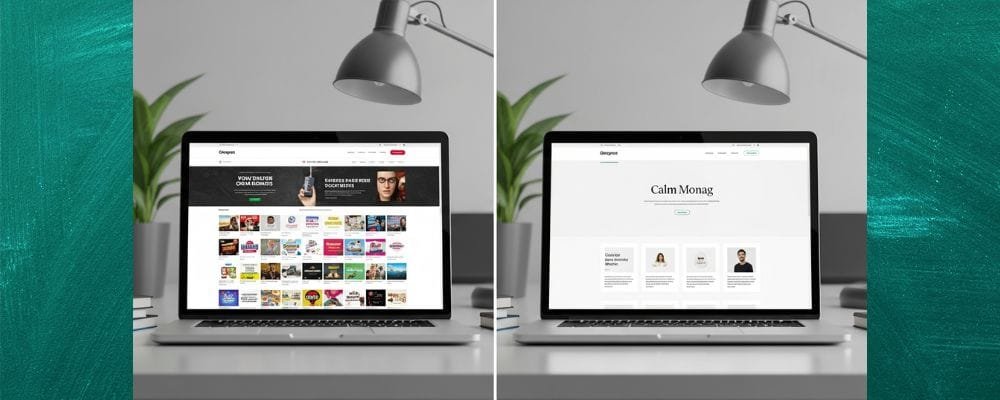
Many business owners sense something is wrong with their website but cannot clearly explain it. The design looks fine. The information is complete. Traffic may even be coming in. Still, people hesitate. They do not call. They do not book. They quietly leave.
That moment creates vulnerability. You start questioning your decisions. Maybe the site is outdated. Maybe it needs a redesign. Maybe a new platform will fix it. In reality, you didn’t need a new website you needed fewer assumptions.
Most websites do not fail because they look bad. They fail because they assume too much about the visitor.
Why This Problem Keeps Happening
Websites are usually built from the inside out. Business owners design based on what they know, what they value, and what makes sense to them. That leads to assumptions.
Assumptions like visitors already understand the service.
Assumptions like they already trust the business.
Assumptions like they are ready to contact you immediately.
Visitors do not arrive with that context. They arrive cautious, distracted, and often comparing options. When a website does not actively create emotional safety, hesitation takes over.
Information alone does not create trust. Clarity does.

The Missing Piece Most Websites Ignore
Visitors are not just looking for answers. They are looking for reassurance.
They want to know if they are in the right place.
They want to know if they will be understood.
They want to know if taking the next step is safe.
When a website jumps straight into features, services, and credentials, it skips the emotional bridge. That gap is where trust breaks down.
This is why you didn’t need a new website you needed fewer assumptions about how confident your visitors already feel.
What Happens When This Continues
The consequences are subtle but costly.
Bounce rates rise because visitors feel unsure.
Forms stay empty because the timing feels wrong.
Sales conversations start with skepticism instead of readiness.
Business owners respond by adding more pages, rewriting copy, or redesigning again. None of that works because the core issue remains.
The website never made the visitor feel safe enough to move forward.
Designing for Trust Instead of Assumptions
The solution is not more content or flashier design. The solution is building emotional safety into the experience.
Here is a clear framework that works.
1. Slow Down the First Impression
The top of your website should orient, not impress.
Instead of leading with what you sell, lead with what the visitor is likely feeling. Confusion. Risk. Uncertainty. When people see their situation reflected, tension lowers immediately.
This is where you didn’t need a new website you needed fewer assumptions becomes real.
2. Remove Pressure From Action
Strong calls to action too early create resistance.
Replace pressure with permission.
Offer low risk steps like learning how the process works or understanding what to expect.
When visitors feel in control, trust grows naturally.
3. Show Confidence Through Clarity
Long explanations often signal uncertainty.
Clear structure signals competence.
Explain what you do, how it works, and what happens next in simple steps.
Predictability creates emotional safety.

4. Address Unspoken Fears
Visitors worry about wasting money, making the wrong choice, or being judged.
Most websites avoid these fears. The strongest ones acknowledge them calmly. Explain how mistakes are prevented and how support is provided.
This transforms hesitation into confidence.
5. Let the Design Reduce Friction
Trust is reinforced visually.
Clean layouts, readable spacing, and calm pacing communicate stability. Overdesigned elements often increase anxiety instead of excitement.
Design should make decisions feel easier, not heavier.
6. Guide Instead of Convince
A trustworthy website acts like a guide.
It explains options.
It clarifies tradeoffs.
It helps visitors decide without pressure.
When people feel guided, they choose confidently.
What Changes When Assumptions Are Removed
Once assumptions are replaced with empathy, everything shifts.
Visitors stay longer.
Leads feel warmer.
Decisions happen faster.
Marketing stops feeling unpredictable because trust has already been built before contact happens.
This is why you didn’t need a new website you needed fewer assumptions. The structure was not the problem. The emotional experience was.
Takeaway – A Clear Path Forward
You do not need to start over.
You need to examine each section of your website and ask one question.
What is the visitor quietly unsure about here?
When those questions are answered, hesitation disappears. Confidence replaces doubt. Growth becomes steady and intentional.
Once you see this clearly, you stop guessing.
And you finally know exactly what to do.