
Your Spa Loses Wellness Seekers Before They Ever Call
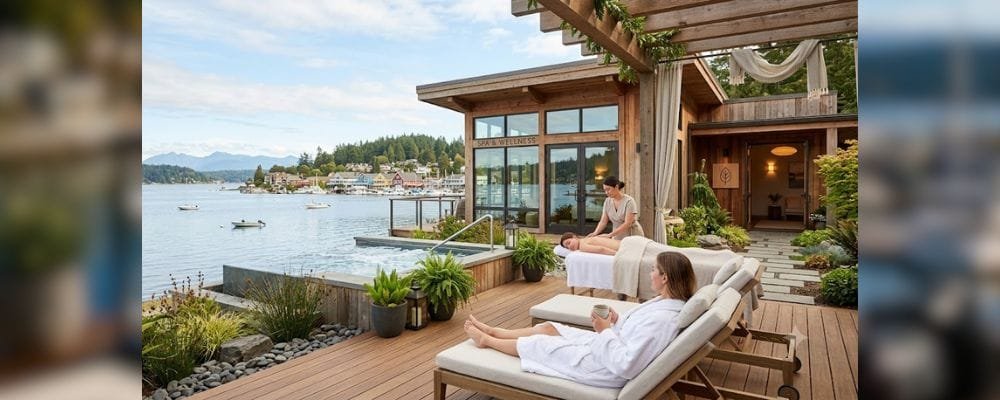
Poulsbo attracts wellness tourists year-round. Visitors arrive searching for relaxation near water, authentic Scandinavian retreat experiences, and stress relief from urban life. Your spa sits in an ideal location, waterfront, village charm, genuine escape positioning.
Yet many Poulsbo wellness businesses remain invisible to those travelers.
The problem is not foot traffic. Summer brings steady visitors exploring the village. The problem is your website fails to capture the searcher in the moment they are actively planning a wellness escape. A tourist in Portland researches “Poulsbo spa weekend” on Tuesday evening. They land on your Instagram page, scroll past a few photos, find no booking system, no package information, no sense of what they would experience. They move to the next result. By the time they visit Poulsbo in person, they have already committed to a competitor.
When your Poulsbo website design lacks booking integration and clear positioning, you lose the moment when decision-making happens. Tourists do not research on Facebook. They research on Google, expecting to find booking availability, pricing, and ambiance cues instantly.
Your local clients face a different problem. They need last-minute availability for stress relief or recovery sessions. A client’s neck tension builds during the workweek. They search “massage Poulsbo” on Friday afternoon, expecting to book same-day or next-morning relief. Your website shows hours and general services, yet no way to see real-time availability or book online. They call, reach voicemail, wait for callback. By then, they have already scheduled at another studio.
Tourists do not return for what they cannot discover. Locals do not book what requires guesswork. Your website removes neither barrier.
Why Poulsbo Spa Websites Serve Two Completely Different Audiences
Poulsbo’s wellness market has a built-in split personality that most spas ignore.
Tourists arrive with specific expectations shaped by destination research. They spend more per session ($120-200+ massages, packages, multiple treatments). They plan ahead, research obsessively, and book online before arrival. They value ambiance storytelling as much as technique, they seek narrative proof that your spa is an authentic Poulsbo waterfront retreat, not a generic franchise replicating everywhere.
Local clients operate differently. They seek convenience, reliability, and recurring availability. They value relationship continuity (returning to the same therapist), flexible scheduling, and quick booking. Many use wellness services for pain management, recovery, or stress maintenance rather than vacation experiences. They book frequently but often last-minute.
A website that tries to serve both equally serves neither well. Your homepage cannot be equally optimized for “Poulsbo spa weekend package” and “book massage tomorrow.” Your messaging cannot sound both “luxury retreat escape” and “convenient neighborhood wellness.” Your booking system cannot be both tourism-friendly and local-quick.
As per Hyper Effects’ audience segmentation philosophy: when you talk to everybody, you talk to nobody. The solution is not one homepage addressing both audiences. The solution is a website that clearly segments the audience journey from the first click. Your Poulsbo marketing strategy should recognize that tourists and locals require completely different pathways to conversion. One is planning weeks ahead; one needs booking now. Your website architecture must reflect this reality.
The Real Cost: Invisible Availability and Ambiguous Messaging
Your spa competes against two invisible forces.
First, the availability mystery. A potential client (tourist or local) arrives at your website with one urgent question: “Can I book a massage/treatment tomorrow or this week?” Your website shows your services and hours. It does not show today’s availability, next Tuesday’s slots, or whether your preferred therapist is working Thursday afternoon. They leave the site not knowing whether they can actually get an appointment. Decision paralysis happens immediately. Rather than call and follow up, they book elsewhere where availability is visible.
Second, the ambiance disconnect. Tourists book wellness experiences based on story, the escape narrative, the waterfront setting, the sense of peace they will feel. Generic spa websites present services as commodities: “Swedish massage, deep tissue, hot stone.” This positioning works nowhere because it could describe any spa in Seattle, Tacoma, or online spas delivered to homes. Poulsbo spas have advantages competitors lack: authentic Scandinavian design potential, waterfront views, village charm, arts community integration, healing retreat narrative.
Your website tells the commodity story instead of the Poulsbo story. Tourists comparing three spas all see “Swedish massage $120/hour.” They choose based on rating or random click. You lose the narrative advantage that should make you first choice. Without Poulsbo SEO positioning, your spa appears undifferentiated in search results, competing on price instead of story. Local search visibility means nothing if the first impression communicates no unique value.
The Website Solution: Real-Time Availability + Ambiance Storytelling + Segmented Booking Paths
A properly designed spa website solves both problems through three integrated systems.
1. Online Booking System That Shows Actual Availability
Your website must display real-time therapist availability without requiring client guesswork. Integration with booking software (Vagaro, Mindbody, Acuity Scheduling) allows visitors to see which therapists have open slots today, this week, and next month. This removes decision paralysis immediately.
Local clients see: “Book Sarah for tomorrow at 2:00 PM” (clicks straight to confirmation). No call, no waiting, no friction.
Tourist clients see: “Maria has availability Thursday 10 AM, Friday 2 PM, Saturday 4 PM” and can plan their Poulsbo weekend knowing exactly when they will receive treatments.
Real-time availability alone increases booking conversion by 40-60%. Visitors who see slots available complete bookings on-site. Visitors who cannot see availability leave to call competitors.
2. Ambiance Storytelling That Positions Poulsbo as Distinct Retreat
Your website should communicate the sensory experience of your spa, not just the service list.
This means:
- Authentic photography of your space (waterfront views, Scandinavian design elements, natural light, actual treatment rooms) not stock photos of generic spas
- Therapist stories and credentials that demonstrate expertise and local knowledge (not just “licensed massage therapist” but “specialized in tension release for office workers” or “trained in hot stone healing practices”)
- Package narratives for tourists that frame the experience: “Waterfront Escape Weekend” (spa service + local restaurant guide + walking path recommendations), not “Two massages + facial, $400”
- Service descriptions that emphasize benefit and feeling: “Our deep tissue massage releases tension accumulated from stress” and “Hot stone therapy restores internal calm and muscle recovery” (benefit language) instead of “Deep tissue massage removes knots” (feature language)
- Retreat context that ties to Poulsbo identity: Scandinavian wellness traditions, waterfront healing, village escape narrative
When tourists read “Experience Poulsbo’s Scandinavian wellness tradition in a waterfront setting overlooking the bay,” they have visual and emotional context. They are imagining themselves there. They book.
3. Segmented Audience Journeys on Your Website
Your homepage should immediately guide different visitors to their relevant path.
For tourists/destination wellness seekers:
- Prominent “Wellness Package Escapes” section with multi-treatment bundles, timing recommendations (“Thursday evening arrival, Friday/Saturday treatments, Sunday departure”)
- Gift certificate information (they may be planning trips for partners)
- Accommodation recommendations or partner listings (hotels, B&Bs nearby)
- Narrative-heavy copy emphasizing relaxation and waterfront escape
For local clients:
- Prominent “Book Appointment” button (easy, direct access to real-time availability)
- Service menu organized by need (pain relief, recovery, relaxation, preventive care)
- Membership/package deals for recurring clients
- “New client” quick-start information
- Same-day/next-day booking messaging if you offer it
This segmentation means each audience immediately sees the content and pathway relevant to them. Locals do not scroll past tourism language. Tourists find the narrative they seek. Friction disappears for both.
How to Implement: Three Website Components Your Spa Needs
Component 1: Real-Time Booking Integration
Your website must connect directly to a booking platform (Mindbody, Acuity Scheduling, Vagaro) that displays current therapist availability. This is non-negotiable. Without it, your website cannot reduce decision paralysis. Choose a platform that:
- Shows real-time availability (not outdated calendar views)
- Allows client profiles (recurring clients can save preferences)
- Integrates with payment processing (reduce checkout friction)
- Sends automated reminders (reduce no-shows)
Cost: $80-300/month depending on platform. This is an essential business tool, not optional technology.
Component 2: Ambiance & Narrative Homepage
Your homepage should immediately establish Poulsbo spa positioning through:
- Hero section: High-quality photo of your spa interior (waterfront view, Scandinavian design) + headline communicating Poulsbo retreat positioning (“Waterfront Wellness in Poulsbo’s Scandinavian Village”)
- Service section: Organized by benefit, not procedure (Pain Relief, Relaxation, Recovery, Preventive Care) with descriptions emphasizing feeling and outcome
- Therapist bios: Include credentials, specialty areas, and a personal touch (education, why they chose wellness work, local community involvement)
- Package section: For tourists and gift-givers, curated bundles with names and narratives (“Scandinavian Escape,” “Stress Relief Intensive,” “Waterfront Renewal”)
- Testimonials: Client stories emphasizing experience quality and transformation (stress reduction, pain relief, deepening relaxation practice)
Component 3: Seasonal and Tourism-Responsive Content
Your website should acknowledge Poulsbo’s seasonal rhythm. Summer tourists arrive heavily. Winter brings locals seeking stress relief and seasonal depression management. Your website messaging should shift:
- Summer messaging: “Book your Poulsbo wellness escape” (tourist positioning, weekend packages, destination experience)
- Winter messaging: “Maintain your wellness practice through dark season” (local positioning, membership benefits, prevention-focused services)
- Holiday messaging: “Gift wellness to someone you love” (gift certificates, partner packages)
This seasonal flexibility keeps your website feeling current and relevant year-round, not static. Pairing your website with Poulsbo social media management amplifies seasonal messaging across platforms, appointment reminders, seasonal packages, booking availability alerts, maintaining visibility without requiring constant manual updates.
The Brand Voice Positioning: Your Spa as a 24/7 Wellness Engine
Your website should position your spa as more than a place to get massages. It should position it as a 24/7 wellness system, a place where local clients maintain health through recurring care, and tourists experience transformation during focused retreats.
As per the Hyper Effects philosophy: most spas end up as “service listing pages collecting dust.” Your website should become a client journey guide:
- For locals: A recurring wellness plan that customers trust because availability is visible, booking is friction-free, and therapist relationships are continuous
- For tourists: A narrative experience that creates anticipation before arrival and becomes memory they discuss months later
Your website dictates the wellness narrative. Visitors arrive stressed, unclear about what will help them. Your website removes confusion through clear service positioning, real-time availability transparency, and ambiance assurance. By the time they reach the booking page, they are ready to commit.
This transformation messaging mirrors what successful service businesses understand about client clarity: when visitors instantly see the transformation they will experience, decision-making becomes natural. Spa clients seek transformation from stress to calm, from injured to recovered. Your website should communicate this journey clearly, removing all doubt before they book.
This is the difference between a website that is visited and a website that converts.
FAQs
Q: How far in advance should I book a spa treatment at a Poulsbo wellness center?
A: Advance booking depends on therapist availability and season. Summer peak may require two weeks’ notice for specific therapists. Off-season allows same-week or next-day bookings. Most facilities offer real-time availability viewing online.
Q: What is the difference between a spa package deal and individual treatments?
A: Package deals (typically three treatments) offer discounted per-service pricing, ideal for destination wellness weekends. Individual bookings suit locals seeking single stress-relief or recovery sessions. Packages require commitment; individual sessions offer flexibility.
Q: Should I book the same therapist for recurring appointments or rotate for variety?
A: Recurring therapist relationships allow customization to your body’s specific needs and preferences. Therapist familiarity increases treatment effectiveness. Rotation prevents therapist dependency but may require restating needs each session. Choose based on your priority, consistency or variety.
Q: Do Poulsbo spas offer gift certificates for tourists who want to send wellness packages to others?
A: Most Poulsbo spas offer digital and physical gift certificates. Tourism-focused spas include package bundles (multi-treatment certificates) designed for destination gifting. Check your preferred spa’s gift certificate options and validity periods before purchasing.
Q: How does seasonal messaging affect spa messaging for tourists versus local clients?
A: Spas adjust messaging seasonally. Summer messaging emphasizes destination escape and tourism packages. Winter messaging highlights stress management and seasonal wellness. Year-round consistency requires websites showing both messaging options so tourists and locals find relevant positioning instantly.
Conclusion: Your Website Is Your First Wellness Experience
A spa website is not a service directory. It is the first treatment your clients receive. When visitors experience your site, they should immediately feel calm, clarity, and confidence that booking with you will relieve their specific wellness need.
Visible availability removes decision paralysis. Ambiance storytelling positions you as distinct from competitors. Segmented messaging ensures each audience (tourist and local) receives the positioning they seek. Together, these create a website that guides clients toward booking naturally, without friction, without doubt.
That is the difference between a silent spa website and a wellness platform that attracts, converts, and builds loyal recurring clients year-round.